Practical Tips to Make the Most of Your Walk-In Closet Space
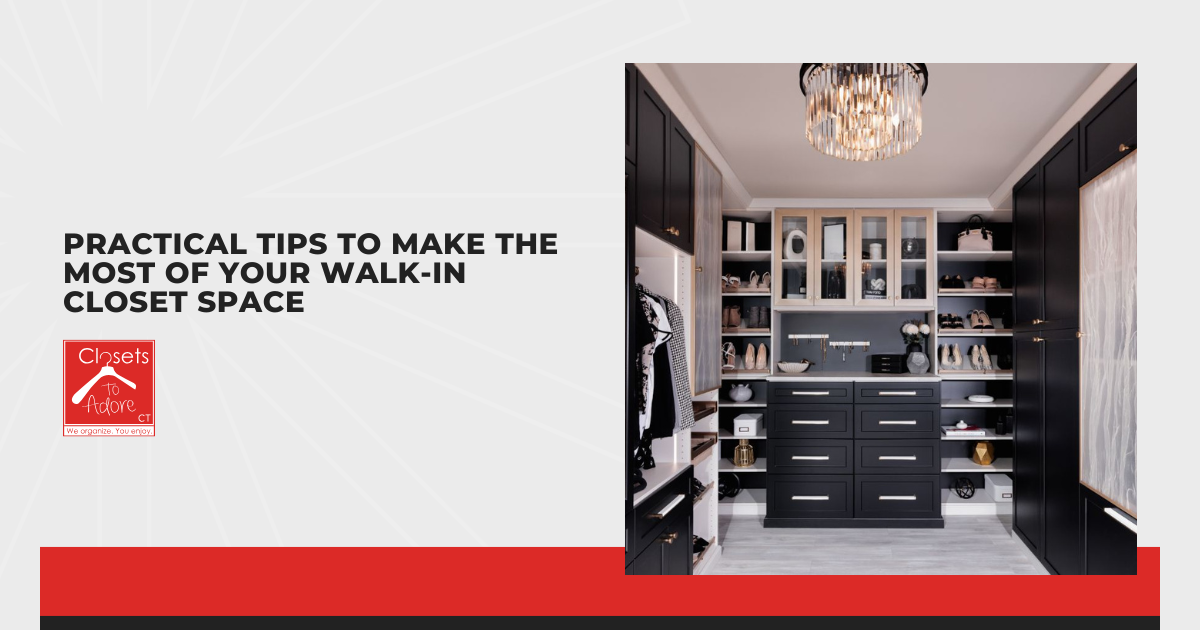
Room alone rarely fixes a cluttered closet, a pattern that shows up across every walk-in closet I've redesigned, regardless of the square footage. A system built around what you own is what actually turns things around. Shoes, accessories, and everything else in your closet do better with a fixed spot instead of an open gap on a shelf. Size rarely explains why a closet works or doesn't, but a missing system always does.
How often you reach for something is the real starting point for building it. Daily items like your work bag or go-to sweater belong somewhere you can grab without thinking, while ski gear or holiday sweaters can sit further back. Once you know what goes where, adding a second rod or resizing a shelf becomes a simple fix instead of a guess. Most closet upgrades fall flat for this exact reason, even when the shelving itself is excellent.
Your walk-in closet can go from underused to something you actually enjoy opening every morning, and it starts with a few shifts:
- Assess your space before you organize
- Maximize vertical storage
- Zone your closet by category
- Handle seasonal rotation wisely
- Add lighting that actually helps
- Maintain the system long-term
Let's walk through each shift one at a time, so you can see exactly where your closet's losing the most ground.
Assess Your Space Before You Organize
Most walk-in closets tell you exactly what's wrong with them if you actually stop and look. Start by pulling everything out, every hanger, every shoebox, every mystery bag shoved in the corner, and laying it all out somewhere you can see it. You'll spot the stuff you haven't touched in a year pretty fast, and that's usually the stuff hogging the space your daily items actually need. Get rid of it now, before you spend money on storage built to organize clutter you're about to toss anyway.
With your closet emptied out, you can finally see the space for what it is instead of what's been crammed into it. Notice where the light actually reaches, which corners you've been ignoring for years, and where you were stacking things three deep just to make them fit. I always ask clients to think about their own habits here too, not just the four walls, because a walk-in closet only works if it matches how you get dressed in the morning. That combination, the empty space plus your actual routine, is what tells you what to buy next.
Those observations only turn into a real plan once you've got numbers to match them, so grab a tape measure before you go any further. Width, depth, height, and the gaps between any shelves or rods you're keeping all matter here. Jot them down wherever you won't lose them, your phone, a sticky note on the door frame, whatever works for you. Make sure to bring these numbers with you to the store, so you won't have to make a second trip for something that doesn't fit
Maximize Vertical Storage
Most closets stop at eye level, leaving the space above shelves and rods completely empty. Putting that height to work opens up storage without taking away an inch of floor space.
- Add Overhead Shelving: Space near the ceiling works well for bins, luggage, or off-season bags you don't need daily. A shelf here costs little to add and creates real capacity without touching your existing layout.
- Install a Double Rod: Two stacked rods double your hanging space for shirts, folded pants, and shorter items. This setup works especially well in walk-in closets with plenty of height but limited floor space.
- Use Stackable Bins: Bins let you build upward instead of spreading everything across shelves that are already full. Grouping bins by category keeps items easier to locate later, even once the stack gets tall.
- Mount Wall Hooks: Hooks turn dead wall space into a spot for robes, bags, or belts you grab often. A few well-placed hooks near the entrance save you from digging through drawers each morning.
- Try Slanted Shoe Shelves: Angled shelving stores far more pairs than flat shelves in the same footprint. Your shoes stay visible and easy to grab instead of buried in a pile at the bottom.
Ceiling-height storage is one of the first upgrades I point out on a walkthrough, since it's the space people forget to measure at all. Once it's in use, everything below it has room to breathe.
Zone Your Closet by Category
Shirts, shoes, and seasonal coats end up piled into the same three feet of space, and you're the one stuck digging through it just to find a matching pair of socks. Splitting your walk-in closet into clear zones fixes that, giving everything you own its own spot instead of leaving it wherever there's room.
- Daily Wear Zone: Put the shirts, pants, and jackets you reach for constantly at eye level, right where you can grab them without stretching. You'll spend a lot less time each morning hunting for whatever you planned to wear.
- Special Occasion Rack: Save the higher shelf or back rod for suits, dresses, and anything you only wear a few times a year. You get more use out of your prime space when it holds what you actually put on every week.
- Accessory Corner: Give your belts, ties, scarves, and jewelry a dedicated spot instead of letting them scatter across shelves and drawers. You'll stop losing five minutes every morning digging for a matching belt once these have their own home.
- Shoe Station: Keep the pairs you wear weekly near the entrance, and send occasional pairs to a higher or lower shelf out of the way. Angled or tiered shelving lets you see every pair at a glance instead of pulling apart a pile.
- Seasonal Overflow Spot: Set aside a back shelf or bin for coats, boots, and swimwear that only earn their place part of the year. Your other zones stay far less crowded once you rotate these pieces out on schedule.
Five categories might sound like a lot to set up at once, but your closet only needs clear boundaries to feel organized. You'll probably reshape this list within a few months anyway, once your own habits show you what actually belongs where.
Handle Seasonal Rotation Wisely
Why keep your winter coats and summer tank tops on the same shelf all year when you're only wearing half of them at once? Splitting your wardrobe by season frees up real space in your walk-in closet for whatever you're actually reaching for right now. You can move off-season pieces to bins, a spare closet, or under-bed storage without losing easy access once the weather turns. Committing to two swaps a year does more for your closet than you'd probably expect going in.
Bin choice matters here nearly as much as making the swap itself. Choose clear containers over opaque ones for off-season storage, so you can check contents without opening every single bin. Labeling by season and size saves you from digging through three containers just to find one sweater. Keep a donation bag nearby during the swap, since you're already sorting through everything and it's the easiest time to let things go.
Storage outside the closet works fine when you're tight on room, whether that's a hallway closet, a garage shelf, or bins under the bed. Your off-season storage doesn't need to look polished, just consistent enough that you remember where you put everything. Stick with this twice-yearly rhythm, and your closet starts feeling like it matches the season you're actually living in.
Add Lighting That Actually Helps
If your closet doesn't have a window, you're probably relying on a single overhead bulb that barely reaches the back corners or lower drawers. Those dim spots hide stains, mismatched pairs, and items you forgot you even owned until laundry day. Motion-sensor LED strips solve that without any wiring, since you can run most models on batteries or plug them into a nearby outlet. Once you add real lighting, your walk-in closet gets noticeably easier to use within days.
Where you place the strips matters just as much as how bright they are. Mount them under your shelves to throw light down onto folded stacks, or run them along the back wall to brighten hanging clothes evenly from top to bottom. I point most clients toward warm bulbs, since they keep your skin tone and fabric colors looking accurate instead of washed out. Go with cool white light instead if you're using the closet as a dressing area with a mirror nearby.
Battery-powered strips let you test placement in your own closet before committing to anything permanent. Swap bulbs or move strips around over a weekend until the space feels bright enough for you to use at six in the morning. Lighting costs less than most closet upgrades, and you'll notice the difference in how the whole room feels almost immediately.
Maintain the System Long-Term
The zones, bins, and rotation you just set up in your walk-in closet only keep working if you build a little upkeep into your routine. Skip that upkeep, and you'll watch everything slide back to where it started within a few months.
- Weekly Reset: Spend five minutes each week putting stray items back where they belong instead of letting them pile up. You'll stop clutter before it spreads if you catch it early and often.
- Seasonal Check-In: Walk through your zones every time you swap seasonal clothes, and fix anything that's drifted out of place. You'll catch small shifts before they turn into a bigger mess months later.
- Donation Habit: Keep a bag inside your walk-in closet for anything you stop wearing, then drop it off once it's full. You'll keep your zones from slowly filling back up with clothes you don't wear.
- Label Refresh: Check your labels every few months, since your categories shift as your wardrobe changes throughout the year. You and anyone else in your house stay on the same system once labels match what's actually there.
- Nightly Habit: Put your worn clothes back where they belong instead of leaving them on a chair or the floor overnight. This one habit alone stops most of the backslide you'd otherwise see within a few months.
Five minutes a week is a small trade for not redoing this whole project again next year. Keep even two or three of these habits going, and the zones and rotation you built stay standing on their own without much thought from you.
Conclusion
A closet earns its space through the habits and choices built into it, not the square footage on a floor plan. Every shift covered here, from zoning to lighting to keeping up with the system week after week, adds up to a walk-in closet you actually want to open every morning. Small, consistent changes beat a full renovation almost every time, and most of what separates a cluttered closet from a working one costs far less than people assume. Give a few of these habits a real shot, and the difference shows up faster than you'd expect.
Recent Posts